

5 Things Your Condo Master Policy Won't Cover (That Your Neighbor Will Expect You to Pay For)
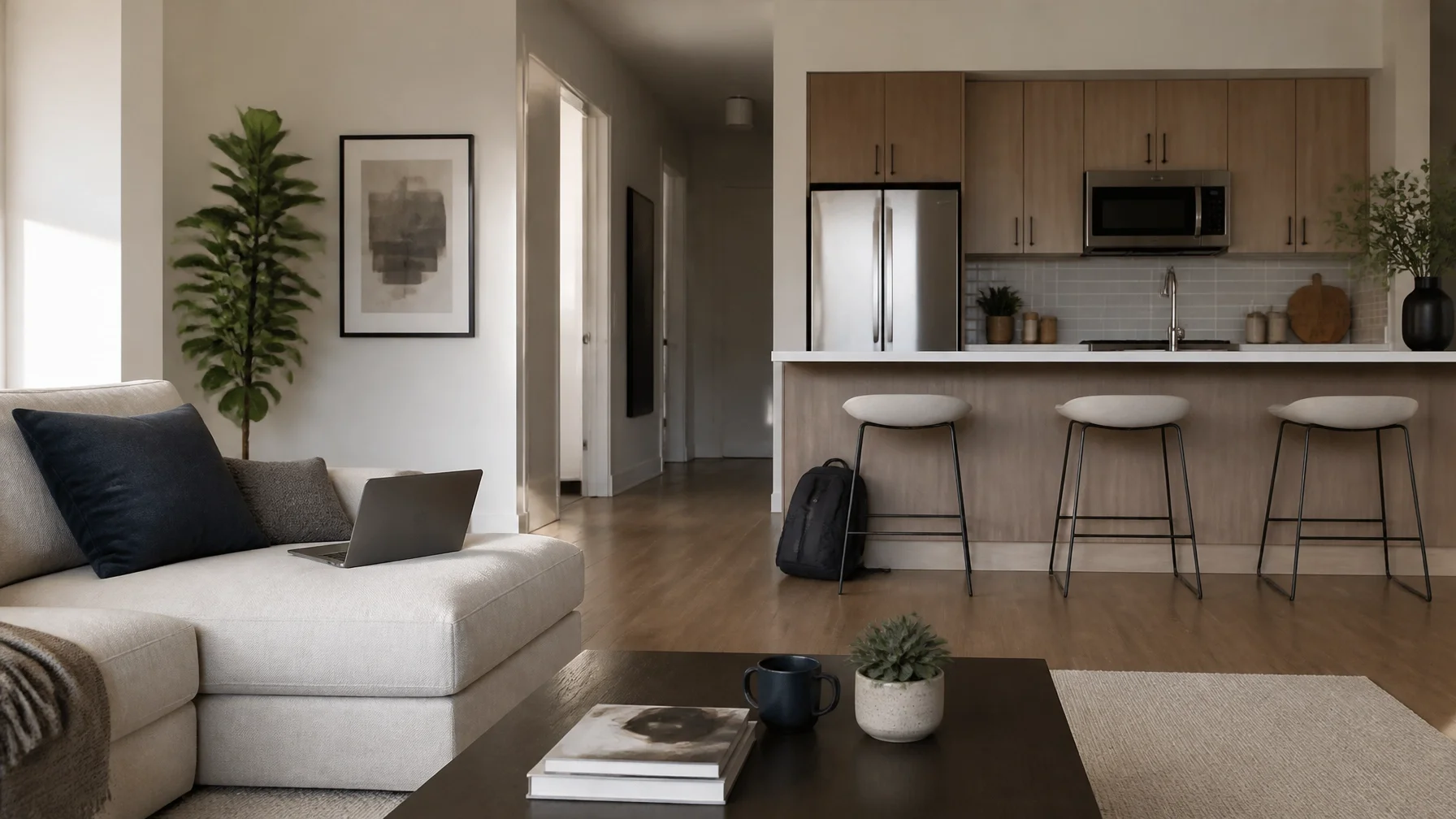
You've invested in your condo, your furnishings, and the life you've built inside your home.
Your association has insurance, too. But the HOA master policy is not a substitute for your own condo insurance. It primarily protects the building, shared spaces, and the association itself.
What happens when a claim involves your belongings, your upgrades, or your personal responsibility?
Your HO-6 condo policy is designed to close those gaps.
A master policy may be written as bare-walls, single-entity, or all-in coverage. The exact protection depends on your association's policy and governing documents. Before you assume something is covered, confirm where the association's responsibility ends and yours begins.
Here are five coverage gaps that surprise condo owners most often.
1. Your Personal Property
Your furniture, electronics, clothing, artwork, kitchen items, and other belongings are usually not covered by the HOA master policy.
The master policy may help repair the building after a covered fire or water loss. It generally does not replace the personal property inside your unit.
The scenario: Your neighbor's guest trips on your area rug
A guest visits your condo and trips over an area rug in your living room. The guest is injured and your belongings are damaged when emergency responders cause additional disruption inside the unit.
The association's policy may address damage to common areas or the building itself. It will not normally replace your sofa, television, clothing, computer, or other personal belongings.
How an HO-6 policy helps
Your HO-6 policy includes personal property coverage, sometimes called Coverage C. It can help repair or replace eligible belongings after a covered loss, subject to your policy terms, deductibles, exclusions, and limits.
Your coverage should reflect what it would cost to replace your belongings today.
✔ Create a home inventory.
✔ Photograph valuable items.
✔ Save receipts and serial numbers when available.
✔ Ask whether your belongings are covered at replacement cost or actual cash value.
Replacement cost coverage generally focuses on replacing an item with a comparable new item. Actual cash value accounts for depreciation, which may leave you with less money after a claim.
Pay special attention to policy sublimits for jewelry, collectibles, cash, firearms, electronics, and other high-value property. If you own valuable items, you may need additional coverage.
Review our personal insurance guidance for more ways to protect what you've built.
2. Your Interior Improvements and Betterments
Your condo may look very different from the day the building was completed.
You may have installed hardwood floors, custom cabinets, upgraded countertops, built-in shelving, designer lighting, or premium bathroom fixtures. Those improvements may not be covered by the master policy.
This is especially important when your association carries a bare-walls policy. Under that structure, the master policy may stop at the unfinished interior surfaces or structural boundaries.
The scenario: A kitchen fire damages your upgraded interior
A fire starts in your kitchen. The association's policy covers the building's structure and restores the unit according to the association's responsibility.
But your custom cabinets, upgraded flooring, quartz countertops, and built-in appliances cost much more than the original builder-grade materials.
Who pays the difference?
If those improvements are your responsibility, you do.
How an HO-6 policy helps
Your HO-6 policy can include coverage for unit improvements and betterments. This coverage is designed to protect interior features that you installed or that fall under your responsibility according to the bylaws and master policy.
Your dwelling or building-property limit should account for the cost to rebuild the interior items you are responsible for replacing.
That may include:
✔ Flooring and carpeting
✔ Cabinets and countertops
✔ Interior doors and trim
✔ Built-in appliances
✔ Plumbing and lighting fixtures
✔ Drywall and paint
✔ Custom shelving and built-ins
✔ Bathroom finishes
Do not rely only on your purchase price or renovation receipts. Construction labor and material costs may be higher today than when you completed the work.
Also review ordinance or law coverage. Current building codes may require updated electrical, plumbing, fire-safety, or accessibility features after a covered loss. Your association's policy may not fully address code-related upgrades inside your unit.
3. Your Share of a Loss Assessment
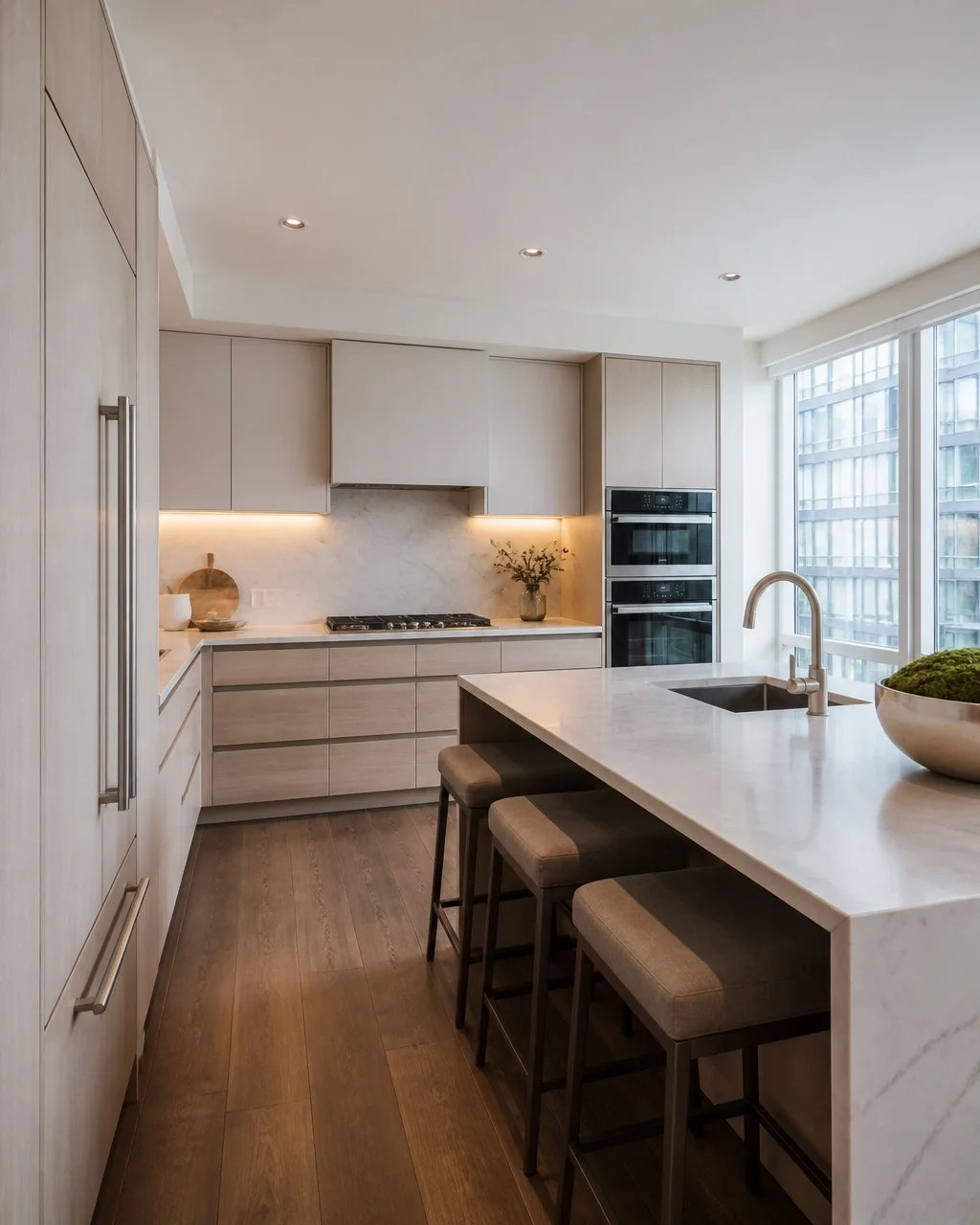
A loss assessment can create one of the largest unexpected bills for condo owners.
Your association may assess unit owners when a covered loss exceeds the master policy's limit or falls within the association's deductible. The association may also charge owners for certain covered liability losses involving shared property.
The scenario: Your building has a $50,000 master policy deductible
A covered storm damages your building. The association's master policy carries a $50,000 deductible.
The association cannot simply ignore that deductible. It may divide the cost among unit owners and issue a special assessment.
Your share could be several thousand dollars. In some buildings, the potential exposure may be much higher.
A standard HO-6 policy may include only $1,000 of loss assessment coverage by default. That amount may be far below your potential responsibility.
How an HO-6 policy helps
Your HO-6 policy can include loss assessment coverage. It may help pay your share of an eligible assessment resulting from a covered property or liability loss.
But the limit and wording matter.
When you review your policy, ask:
✔ What is the master policy's property deductible?
✔ Is there a separate wind, hail, water, or earthquake deductible?
✔ Does the association apply a per-building or per-unit deductible?
✔ Does your loss assessment coverage apply to the master policy deductible?
✔ Is there a special sublimit for deductible assessments?
✔ Does the assessment need to result from a covered cause of loss?
Do not assume that a $25,000 loss assessment limit automatically provides $25,000 of deductible protection. Some policies apply separate restrictions or sublimits.
Increase your loss assessment limit to match the master policy deductible whenever appropriate and available. At a minimum, understand your likely share and make sure your coverage is not based on a small default limit.
Your governing documents and the policy language control. A licensed insurance professional can help you compare them side by side.
4. Your Personal Liability
The association's liability coverage generally protects the association for incidents involving common areas. It does not automatically protect you from claims arising inside your unit.
Your personal responsibility begins at your unit's entrance and may extend to situations involving your family members, pets, guests, and negligence.
The scenario: Your neighbor's guest slips inside your condo
You host a dinner. Your neighbor's guest slips on your wet kitchen floor and suffers a serious injury.
The guest may seek payment for medical treatment, lost wages, and other damages. If the guest files a lawsuit, you may also face legal defense costs.
The HOA master policy is not designed to protect you from every claim connected to your unit.
How an HO-6 policy helps
Your HO-6 policy can provide personal liability coverage for covered bodily injury and property damage claims. It may also help with legal defense costs, settlements, or judgments, subject to the policy's terms and limits.
Personal liability may apply to situations such as:
✔ A guest slips inside your unit.
✔ Your dog bites someone.
✔ A plumbing failure from your unit damages another residence.
✔ You accidentally damage someone else's property.
✔ A family member causes covered property damage.
Choose liability limits that reflect your assets, income, and financial goals. If you own substantial assets or have significant future earning potential, ask whether a personal umbrella policy makes sense.
An umbrella policy can provide an additional layer of liability protection above your underlying condo and auto policies.
5. Your Temporary Housing and Additional Living Expenses
A condo can become uninhabitable after a fire, major water loss, smoke damage, or another covered event.
The master policy may help repair the building. It generally does not pay for your hotel, temporary rental, increased meal costs, or other additional expenses while you cannot live in your unit.
The scenario: A fire forces you out for four months
A covered fire damages your condo. Repairs require demolition, drying, reconstruction, and inspections.
You still have a mortgage payment. Now you also need a temporary place to live. Your temporary rental costs more than your normal housing expenses, and you have additional transportation and meal costs.
Without loss of use coverage, those expenses may come directly from your savings.
How an HO-6 policy helps
Your HO-6 policy can include loss of use or additional living expense coverage. It may help pay reasonable increases in living expenses when a covered loss makes your unit uninhabitable.
Eligible expenses may include:
✔ Temporary housing
✔ Hotel costs
✔ Additional meal expenses
✔ Storage costs
✔ Certain transportation expenses
Coverage limits and time restrictions vary by insurer. Review the limit carefully. A few weeks of hotel costs may be manageable. Several months of alternate housing can become financially difficult.
Your Condo Insurance Review Checklist
Your HOA master policy and your HO-6 policy should work together. They should not leave you guessing after a loss.
Gather your association's master policy declarations, bylaws, insurance provisions, and deductible schedule. Then review these items:
✔ Personal property: Is your Coverage C limit high enough to replace your belongings?
✔ Replacement cost: Are your contents covered for replacement cost or actual cash value?
✔ Improvements: Does your building coverage protect your flooring, cabinets, fixtures, and upgrades?
✔ Master policy type: Is the building bare-walls, single-entity, or all-in?
✔ Loss assessment: Does your limit reflect the association's deductible and your potential share?
✔ Deductible assessments: Does the coverage specifically apply to assessments for the master policy deductible?
✔ Personal liability: Are your liability limits appropriate for your assets and risks?
✔ Loss of use: Would your coverage support temporary housing for several months?
✔ Ordinance or law: Could your coverage help with required code upgrades?
Your association's insurance can change. Deductibles can increase. Your own unit can change after a renovation or major purchase.
That is why an annual review matters.
Protect What You Own Inside and Outside Your Unit
Your HOA master policy protects the association's interests. Your HO-6 policy protects your belongings, your improvements, your liability, and your finances.
Do not wait for a claim to discover the difference.
✔ Protect your personal property.
✔ Insure your interior improvements.
✔ Increase loss assessment coverage when your master deductible is high.
✔ Carry personal liability protection that matches your financial exposure.
✔ Prepare for temporary housing after a covered loss.
Call Shady Oak Insurance Agency at 612-361-9717 for a condo policy review. We can help you compare your HO-6 coverage with your association's master policy and identify gaps before they become expensive surprises.
Learn more about Shady Oak Insurance Agency.
Insurance coverage varies by policy, carrier, association documents, and state law. This article is for educational purposes and is not a substitute for reviewing your specific policy with a licensed insurance professional.
