

Mold, Water, and Your Condo Policy: The 3 Claims That Confuse Owners the Most
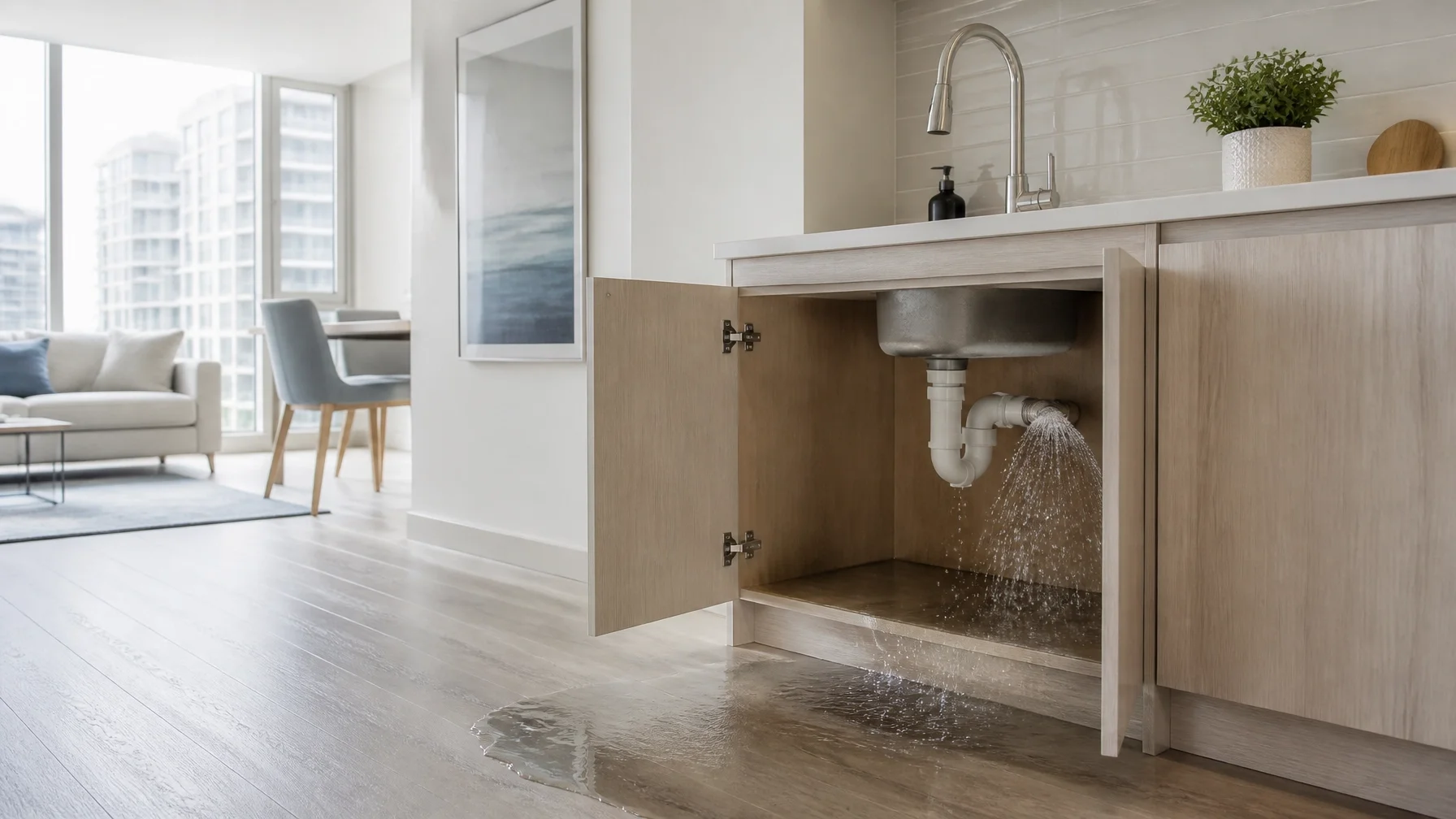
You've worked hard to make your condo feel like home. You have protected your belongings, upgraded your finishes, and built a life around your space.
Then water appears where it should not be.
A leak under the sink. A burst pipe. A stain spreading across the ceiling. Maybe mold follows. Suddenly, you are trying to determine whether your HO-6 condo policy, your association's master policy, or another unit owner's insurance should respond.
The answer depends on what caused the damage, how quickly it happened, and what part of the building was affected.
This guide explains the three water-related claims that confuse condo owners most. It also shows what you can do now to reduce surprises later.
> Coverage depends on your policy language, endorsements, condo declarations, bylaws, and state law. Use this information as a starting point. Your insurance agent can help you interpret your specific coverage.
1. Sudden Water Damage Versus a Gradual Leak
The most important question is simple:
Did the water damage happen suddenly, or did it develop over time?
Most HO-6 policies are designed to cover sudden and accidental water damage. They generally do not cover damage caused by gradual leaks, long-term seepage, repeated moisture, or deferred maintenance.
Scenario: A slow leak under the kitchen sink
You notice a musty smell near your kitchen cabinets. A plumber finds that the supply line under your sink has been slowly dripping for several months.
The cabinet base is swollen. The flooring is discolored. Mold has started growing behind the wall.
This claim may be denied because the damage developed gradually. The insurer may view the problem as a maintenance issue that could have been discovered and repaired earlier.
The policy may not cover:
The leaking supply line itself
Long-term damage to cabinets or flooring
Repeated seepage behind the wall
Mold caused by the long-term moisture
Damage worsened because repairs were delayed
Scenario: A pipe suddenly bursts
Now consider a different situation. A pipe inside your unit suddenly bursts while you are home. Water floods the kitchen and damages your flooring, drywall, cabinets, and personal belongings.
That is more likely to qualify as a sudden and accidental water loss, subject to your deductible, policy limits, exclusions, and the responsibilities assigned by your association documents.
Your HO-6 policy may help cover:
Damaged personal property
Certain interior building items
Covered flooring, cabinets, or drywall
Additional living expenses if your unit becomes uninhabitable
Resulting damage from the covered water event
Your policy generally does not pay to replace the failed pipe or appliance itself. Insurance typically addresses the resulting damage, not the worn-out component that caused it.
What should you do?
Document the problem as soon as you discover it. Take photographs and videos before cleanup, if it is safe to do so. Note when you first noticed the issue and what actions you took to prevent further damage.
Then call your insurance agent or carrier promptly. If emergency mitigation is necessary, take reasonable steps to stop additional damage. Keep all receipts, photographs, plumber reports, and repair records.
For more background on how condo coverage fits together, read Townhome & Condo Insurance: What Your HOA’s Master Policy Doesn’t Cover.
2. Mold Is Usually Limited or Excluded
Mold creates another common misunderstanding.
Many owners assume that if mold is present, insurance will automatically pay for testing, removal, and repairs. Usually, it is not that simple.
Mold is often excluded as a standalone peril. When coverage applies, it is commonly because mold developed directly from a covered sudden water event.
Even then, your policy may include a low mold, fungi, or bacteria sublimit. A sublimit is the maximum amount your policy will pay for a specific type of loss, even when your overall personal property or dwelling limit is higher.
Scenario: Mold after a burst pipe
A pipe bursts behind your bathroom wall. You report the loss immediately. The water damages the drywall and creates conditions for mold to develop.
Because the mold is a direct result of a sudden covered water event, your policy may provide some coverage for mold testing and remediation.
However, the amount may be limited. Your policy could have a mold sublimit of only a few thousand dollars, depending on the form and endorsements attached to it.
Scenario: Mold from ongoing humidity or seepage
In another situation, mold develops because of poor ventilation, long-term humidity, an old window leak, or a slow plumbing leak that was not repaired.
That mold is much less likely to be covered. The insurer may consider the underlying cause gradual, preventable, or excluded under the policy.
Mold coverage usually does not apply simply because mold is discovered. The source of the moisture matters.
Your policy may exclude or limit mold associated with:
Long-term leaks
Repeated seepage
High humidity
Poor ventilation
Deferred maintenance
Flooding or water backup without the appropriate coverage
Moisture that was not promptly addressed
What should you do?
Do not wait for the problem to become obvious. Report water damage quickly, even if the visible damage seems minor. Mold can develop behind walls, beneath flooring, and inside cabinets before you see it.
Ask your agent to review:
✔ Your current mold or fungi sublimit
✔ Whether an increased mold endorsement is available
✔ Whether the endorsement applies only to covered water losses
✔ Whether water backup coverage is included
✔ Whether your deductible applies separately to certain claims
A mold endorsement may increase available coverage, but it does not turn maintenance problems into covered losses. You still need to address leaks, moisture, ventilation, and plumbing concerns promptly.
The Texas Department of Insurance explains how water damage and mold coverage can depend on the cause of the loss. Your policy may differ, so use outside information as general education rather than a coverage determination.
3. Who Pays When Water Crosses Unit Boundaries?
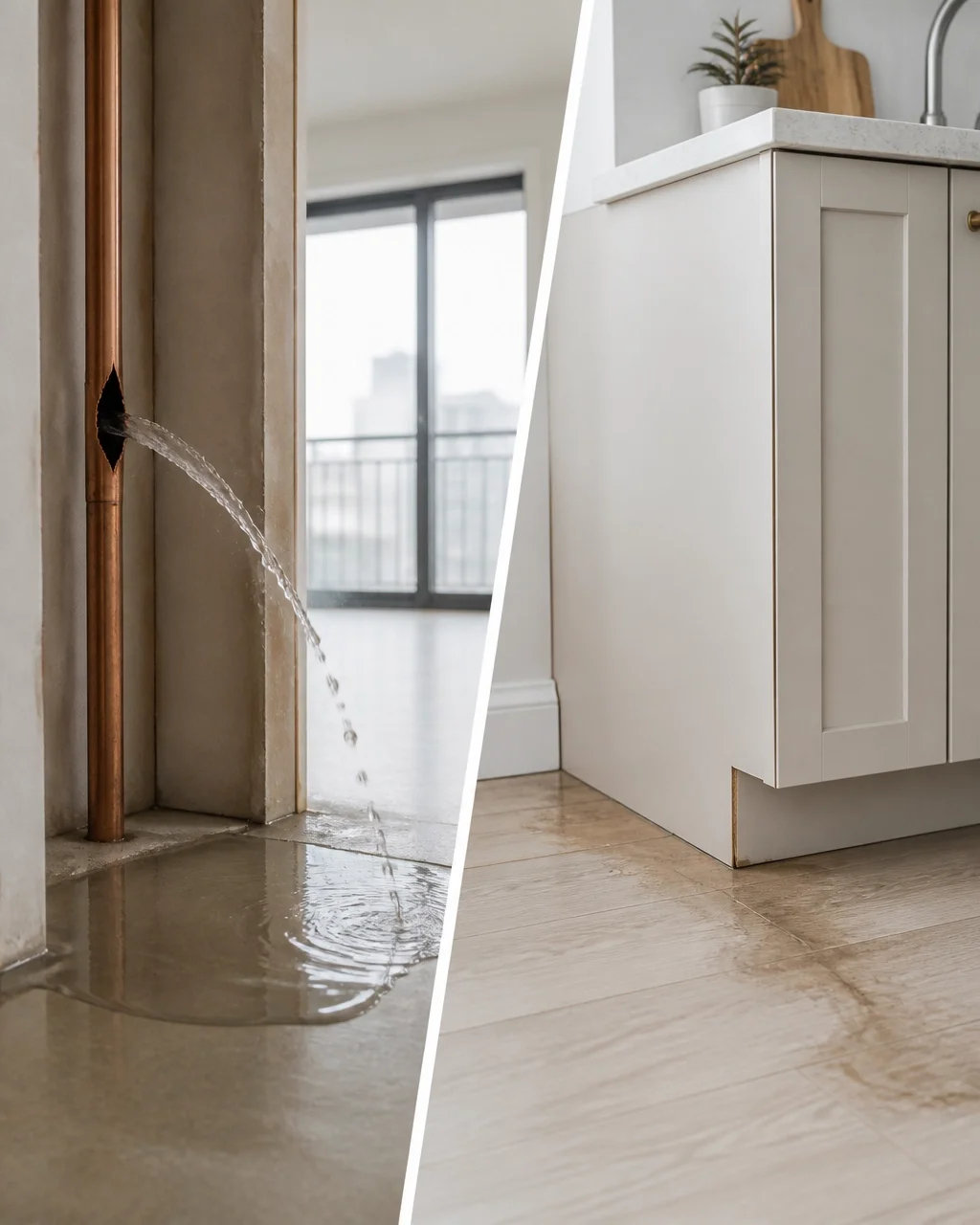
Water does not recognize property lines.
A leak in an upstairs unit can damage your ceiling. A failed pipe inside your unit can damage the condo below you. A plumbing riser in a shared wall can affect multiple units and common areas.
That creates the third major source of confusion:
Which policy pays for which part of the damage?
The answer depends on your association's master policy, your HO-6 policy, your declarations and bylaws, and the cause of the loss.
Scenario: Water from the unit above damages your condo
A washing machine hose fails in the unit above you. Water travels through the floor and damages your ceiling, walls, flooring, furniture, and electronics.
Several insurance questions may arise:
Does the upstairs owner's policy respond?
Does your HO-6 policy cover your damaged belongings?
Does the master policy cover the ceiling or wall?
Is the upstairs owner legally responsible?
Does your association have a large deductible?
Will the association assess part of that deductible to you?
The answers are not always obvious.
A master policy may cover common elements or certain building components. Depending on the association's structure, it may cover areas from the studs out, or it may extend farther into the unit. Your HO-6 policy may cover interior finishes, improvements, fixtures, and personal property that the master policy does not insure.
Your HO-6 may also respond to your covered loss first, even when another party may ultimately be responsible. Your insurer can then review recovery options based on the facts and applicable policy terms.
Scenario: Your pipe damages the unit below
A pipe or appliance supply line suddenly fails inside your unit. Water damages your flooring and personal belongings. It also travels into the condo below.
Your HO-6 policy may cover your own covered property damage. Your personal liability coverage may become important if you are legally responsible for damage to another unit or person.
But liability is not automatic. The cause of the loss matters. A sudden accidental failure may be treated differently from a leak you knew about and failed to repair.
Why loss assessment coverage matters
Your association may carry a master policy with a high deductible. If a covered loss affects common property, the association may assess part of that deductible or another covered expense to unit owners.
A loss assessment endorsement on your HO-6 policy may help pay your share, up to the endorsement limit, when the assessment qualifies under your policy.
Ask about loss assessment coverage before a loss occurs. Review:
✔ The association's master policy deductible
✔ Whether water damage is a covered cause of loss
✔ How the deductible may be allocated
✔ Your current loss assessment limit
✔ Whether the limit is sufficient for your building
✔ Any restrictions involving assessments, negligence, or excluded causes
Your Water-Damage Action Plan
When water appears, you need a clear process.
1. Protect people first
Shut off the water if you can do so safely. Avoid electrical hazards. Leave the unit if conditions are unsafe.
2. Document promptly
Take photographs and videos of the source, affected areas, damaged belongings, and visible moisture. Keep damaged items if possible unless they create a safety or health hazard.
3. Call your agent before you call a contractor
Your agent can help you understand the next steps and identify the right claims contact. If emergency mitigation is required, do not delay reasonable measures to prevent further damage.
4. Notify the association
Report the loss to your property manager or association board. Ask for written information about the master policy, building responsibilities, claim process, and deductible.
5. Do not wait to report
A small leak can become a major mold or structural problem. Prompt reporting protects your home and creates a clearer record of what happened.
6. Review the right endorsements
Depending on your building and risk, ask about:
Water backup coverage for sewer, drain, or sump pump backups
Increased mold coverage where available
Loss assessment coverage
Replacement cost coverage for personal property
Adequate coverage for improvements and betterments
Protect Your Condo Before Water Finds the Gap
The difference between a manageable claim and an expensive surprise often comes down to timing, documentation, and policy details.
Your HO-6 policy is important. Your association's master policy is important. Your declarations, bylaws, deductibles, and endorsements matter just as much.
At Shady Oak Insurance Agency, we help you look beyond the premium. We help you understand what your condo policy does, where the master policy may stop, and which coverage gaps deserve attention.
Protect what you've built. Call Shady Oak Insurance Agency at 612-361-9717 to review your condo coverage, water backup protection, mold options, and loss assessment limit.
