

Townhome & Condo Insurance: What Your HOA's Master Policy Doesn't Cover (and Why You Need Your Own)
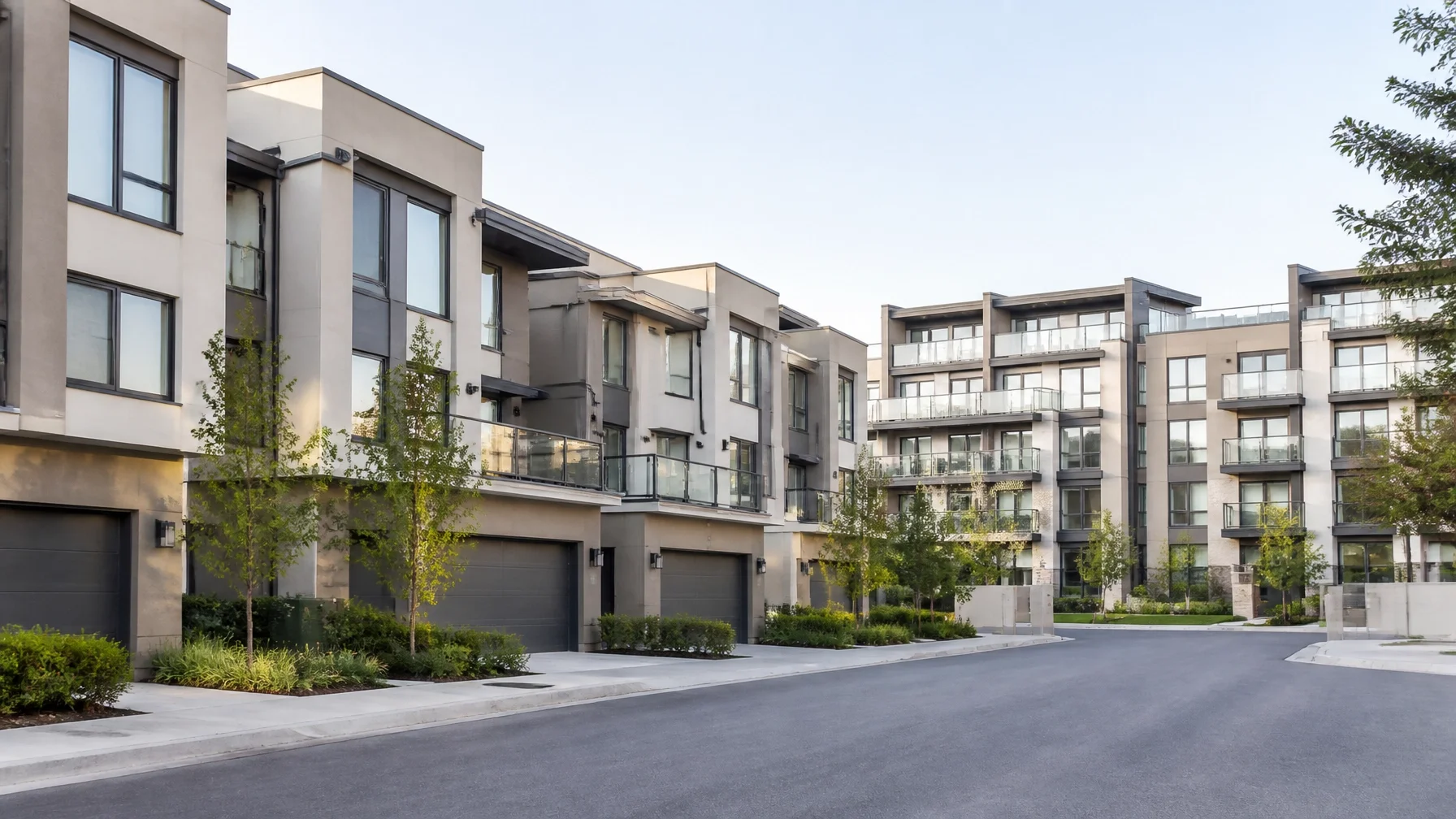
You've invested in your townhome, condo, or co-op. You have paid for improvements, furnishings, electronics, and the life you enjoy inside your home.
Your association has insurance, too. But that coverage does not replace your own policy.
An HOA or co-op master policy generally protects the building structure and shared areas. Your personal policy protects the parts of your home, belongings, finances, and lifestyle that the association's policy leaves behind.
That is why understanding your coverage matters.
Your HOA's Master Policy Is Not Your Personal Insurance
An association's master policy may cover:
The roof and exterior walls
Structural framing
Foundation and building systems
Hallways, lobbies, elevators, and stairways
Shared garages, recreational areas, and other common spaces
Certain parts of the interior of each unit, depending on the policy
But your master policy does not automatically cover:
Your furniture and personal belongings
Your upgraded flooring, cabinets, or countertops
Your personal liability
Your temporary living expenses after a covered loss
Your share of certain association assessments
Every interior surface, fixture, or appliance inside your unit
What happens if a pipe bursts in your kitchen? What if a visitor is injured inside your condo? What if a fire makes your home unlivable for several months?
Your personal policy is designed to respond to those risks.
For additional guidance on personal protection, review The 4 Pillars of Personal Insurance.
First, Identify Your Homeowners Insurance Form
The right policy depends partly on how your property is legally structured.
Condos and co-ops: Usually an HO-6 policy
A condo unit owner or co-op owner generally needs an HO-6 policy. This policy is designed to coordinate with the association's master policy.
Your HO-6 can cover your belongings, interior responsibilities, liability, loss of use, and loss assessment exposure.
Townhomes: Often an HO-3 policy
Many townhome owners need an HO-3 homeowners policy when they individually own and are responsible for the roof, foundation, exterior walls, and other structural components.
Townhomes are often insured similarly to detached single-family homes when you own the entire structure and the land beneath it.
However, some townhome associations insure the exterior structure through a master policy. In that situation, your coverage may need to be structured differently.
Do not choose coverage based only on the word “townhome.” Review your deed, association documents, and master policy to confirm what you own and what the association insures.
✔ Condo or co-op owner? Ask about an HO-6 policy.
✔ Townhome owner with an individually owned roof and foundation? Ask about an HO-3 policy.
✔ Townhome owner in an association-insured structure? Confirm your responsibility before selecting coverage.
The Three HOA Master Policy Types You Need to Know
Master policies generally fall into three categories. The names and definitions can vary, so your association's actual policy language is the final authority.
1. Bare walls-in
A bare walls-in policy provides the least interior protection for your unit.
It typically covers the building shell and common areas. Depending on the policy wording, it may extend to framing, wiring, plumbing, insulation, or unfinished drywall.
You may be responsible for replacing everything inside the unfinished walls, including:
Drywall and paint
Flooring and carpeting
Cabinets and countertops
Light fixtures and plumbing fixtures
Built-in appliances
Bathroom finishes
Interior doors and trim
Owner improvements and upgrades
This type of master policy creates the largest need for personal dwelling coverage.
What should you do? Estimate the cost to rebuild every interior item that you are responsible for replacing. Use today's labor and material costs, not the original purchase price or what you paid for the upgrade.
2. Single entity
A single entity policy generally covers the unit as it was originally built.
That may include original:
Cabinets
Flooring
Fixtures
Appliances
Interior walls and finishes
But it may not cover improvements or upgrades that you added after the unit was built.
If you replaced builder-grade carpet with hardwood flooring, installed custom cabinets, or upgraded your countertops, those improvements may be your responsibility.
Your policy should account for the difference between the original construction and what you have today.
3. All-in
An all-in master policy is typically the most comprehensive option.
It may cover the building structure, original fixtures and finishes, and: in some cases: owner improvements. This can reduce the amount of dwelling coverage you need on your personal policy.
But “all-in” does not mean “everything is covered.”
You still need protection for:
Personal property
Personal liability
Loss of use
Loss assessment
Coverage gaps involving deductibles, exclusions, or policy limitations
Even with an all-in master policy, you need your own insurance.
What an HO-6 Policy Covers
Your HO-6 policy fills several important gaps left by the association's master policy.
Personal property coverage
Personal property coverage protects the belongings inside your unit.
That may include:
Furniture
Clothing
Electronics
Kitchen equipment
Artwork
Sporting goods
Tools
Personal items stored elsewhere, subject to policy terms
Create a home inventory. Include photos, receipts, serial numbers, and descriptions of valuable items.
You have worked hard to acquire your belongings. Make sure your coverage reflects what it would cost to replace them today.
Personal liability coverage
Personal liability coverage can respond if someone is injured in your unit or if you unintentionally cause damage to someone else's property.
For example:
A guest slips in your kitchen.
Your child accidentally damages a neighbor's property.
A covered incident causes water damage to another unit.
You are held responsible for an injury connected to your home.
Liability coverage may help with legal defense costs, settlements, or judgments, subject to the policy terms and limits.
Ask about liability limits that match your assets and financial situation. An umbrella policy may provide an additional layer of protection when you need higher limits.
Loss of use coverage
A covered loss can make your home temporarily unlivable.
Loss of use coverage: sometimes called additional living expense coverage: may help pay for reasonable increases in living expenses while repairs are completed. This can include temporary housing, meals, transportation, and other eligible costs.
The association's master policy may help repair the building. It generally does not pay for your personal living expenses.
Loss assessment coverage
Loss assessment coverage can help when your association charges you for your share of a covered loss.
For example, your association may face:
A large property damage claim
A liability claim involving shared property
A master policy deductible
A loss that exceeds the association's insurance limits
A covered claim subject to a special assessment
If the master policy carries a $100,000 deductible for a building loss, the association may assess that cost among the owners. Your share could be much larger than the small default loss assessment limit included in some policies.
A high master policy deductible can become your personal financial problem.
Ask whether your loss assessment coverage applies to property assessments, liability assessments, deductibles, or all eligible covered assessments. Coverage varies by policy, so the limit and wording matter.
Why “Walls-In” Coverage Matters
The phrase walls-in can be confusing. It does not always mean the same thing from one association to another.
One master policy may cover drywall. Another may stop at the studs. One may cover original cabinets. Another may leave all cabinets to the unit owner.
That difference can create a significant coverage gap.
Your dwelling coverage should reflect the cost to rebuild the interior items that fall under your responsibility. It should account for:
Current construction costs
Labor and material price changes
Flooring and cabinetry
Built-in appliances
Upgraded finishes
Custom features
Debris removal
Increased costs caused by building code requirements
Do not overlook code upgrades
After a covered loss, current building codes may require changes that were not required when your unit was originally built.
Examples may include:
Updated electrical wiring
Additional safety features
Improved plumbing
Fire protection requirements
Accessibility modifications
New construction materials
Ask about ordinance or law coverage. This coverage may help pay the increased cost of complying with current codes, subject to the policy terms and limits.
The association's master policy may include some code upgrade coverage for the building. It may not fully cover upgrades specific to your unit's interior.
Your Coverage Review Checklist
Before you renew your policy, gather your association's documents and review these items:
✔ The HOA or co-op master policy declarations
✔ The association bylaws and insurance provisions
✔ The master policy deductible schedule
✔ The definition of unit boundaries
✔ Whether the policy is bare walls-in, single entity, or all-in
✔ Responsibility for drywall, flooring, cabinets, fixtures, and appliances
✔ Coverage for owner improvements and betterments
✔ Loss assessment limits and exclusions
✔ Ordinance or law coverage
✔ Personal property replacement cost
✔ Personal liability limits
✔ Loss of use limits and time periods
If you cannot determine where the association's responsibility ends and yours begins, ask for help. A policy review can identify gaps before a loss exposes them.
Protect What You Own Inside and Outside Your Unit
Your HOA's master policy protects the association's interests. Your personal policy protects your financial interests.
That distinction matters whether you own a condo, co-op, or townhome.
✔ Insure the interior improvements you are responsible for.
✔ Protect your belongings with accurate personal property limits.
✔ Carry liability coverage that reflects your assets.
✔ Prepare for temporary living expenses after a covered loss.
✔ Increase loss assessment coverage when master policy deductibles are high.
✔ Confirm ordinance or law coverage for potential code upgrades.
You have already built a home and a life worth protecting. Now make sure your coverage matches the responsibility you actually carry.
Contact Shady Oak Insurance Agency at 612-361-9717 for a personal policy review. We can help you compare your association's master policy with your own coverage and identify the gaps before you need to file a claim.
Learn more about Shady Oak Insurance Agency.
Insurance coverage varies by policy, carrier, association documents, and state law. This article is for educational purposes and is not a substitute for reviewing your specific policy with a licensed insurance professional.
