

Accident Forgiveness: Is It Worth It for Minnesota Drivers?

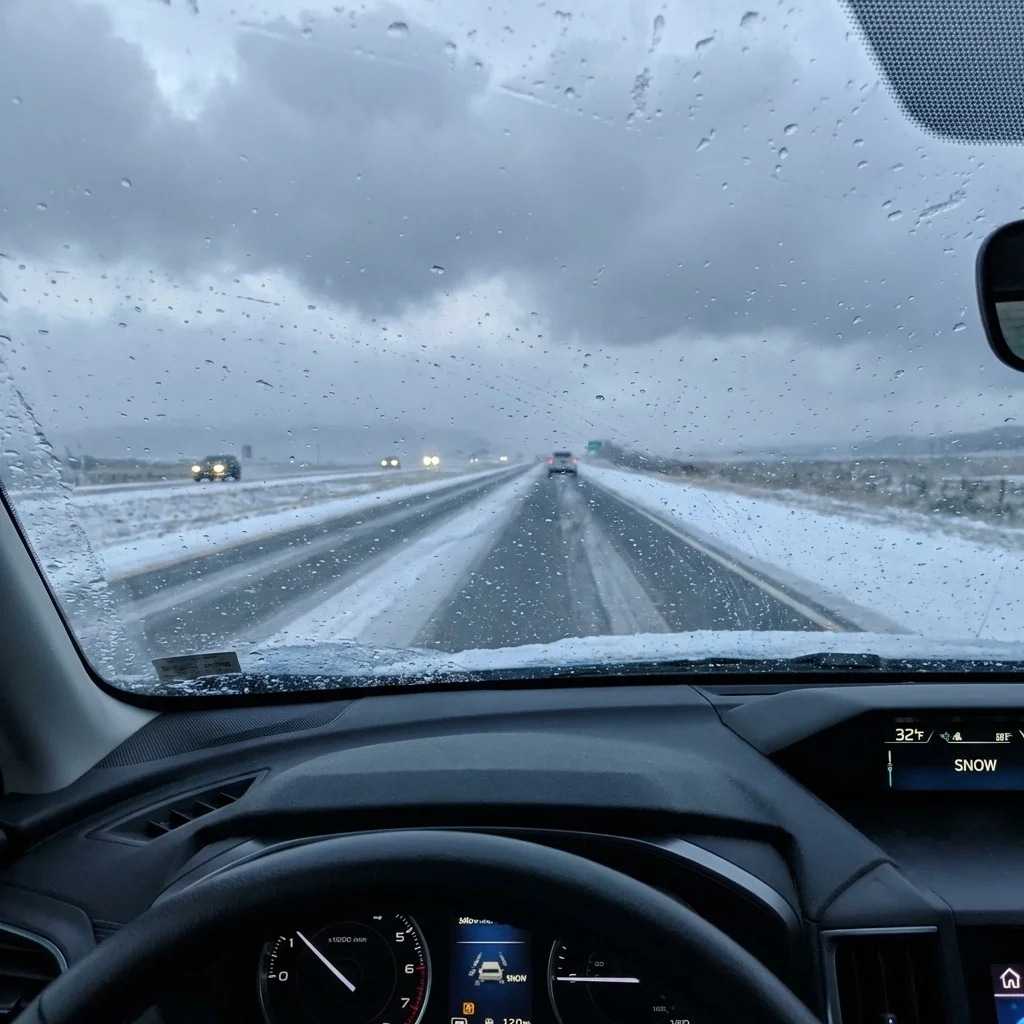
Picture this: You've been a careful driver for years. Clean record, no tickets, always following the speed limit. Then one snowy morning on I-35, someone slides through a red light and crashes into you. Even though it wasn't your fault, your insurance company still considers it a claim against your policy, and your rates could skyrocket.
This is where accident forgiveness comes into play. But is this coverage worth the extra cost for Minnesota drivers? The answer might surprise you.
What Exactly Is Accident Forgiveness?
Accident forgiveness is an add-on coverage that prevents your insurance rates from increasing after your first at-fault accident. Think of it as a "get out of jail free" card for your insurance premiums.
Here's how it typically works:
✔ Your first at-fault accident won't count against you
✔ Your rates stay the same at renewal
✔ You maintain your good driver discounts
✔ Some insurers reset the benefit after maintaining a clean record
But there's a catch, most insurers require you to have a clean driving record for five consecutive years before you're eligible. This means no accidents, no moving violations, and no claims during that period.
The Minnesota Factor: Why This Coverage Hits Different Here
Minnesota isn't just the land of 10,000 lakes, it's also the land of steep insurance rate increases after accidents. When Minnesota drivers have an at-fault accident, their premiums jump an average of 87%.
Let's break down what this means for your wallet:
Before accident: Average premium of $1,339
After accident: Average premium jumps to $2,503
Annual increase: Over $1,100 more per year
That's significantly higher than many other states. So while accident forgiveness might cost you an extra $50-150 annually, it could save you over $1,000 if you ever need to use it.
Real-Life Scenarios: When Accident Forgiveness Pays Off
The New Parent Dilemma
Sarah, a working mom from Bloomington, had been accident-free for eight years. But between juggling work calls, soccer practice, and grocery runs, she rear-ended someone at a stoplight while reaching for her toddler's dropped toy.
Without accident forgiveness: Her premium would jump from $1,200 to roughly $2,244 annually
With accident forgiveness: Her rate stayed at $1,200 (minus the small annual fee for the coverage)
The Teen Driver Challenge
The Johnson family added their 16-year-old to their policy. They opted for accident forgiveness, knowing that teen drivers are statistically more likely to have accidents. Sure enough, their son had a fender-bender in the school parking lot six months later.
The result: Instead of facing an additional rate increase on top of already-high teen driver premiums, the family's rates remained stable.
Which Insurance Companies Offer Accident Forgiveness in Minnesota?
Most major insurers offer some form of accident forgiveness, but the details vary:
State Farm - Called "Accident Forgiveness," typically included after being claim-free for a certain period
Allstate - "Accident Forgiveness" available as an add-on, with some loyalty rewards
GEICO - Offers accident forgiveness to eligible customers with good driving records
Progressive - "Large Accident Forgiveness" for qualifying drivers
Farmers - "Accident Forgiveness" available in select markets
American Family - Offers accident forgiveness benefits through their loyalty programs
The cost and qualification requirements differ between companies, so it's crucial to compare your options carefully.
The Math: When Accident Forgiveness Makes Financial Sense
Let's do some quick calculations to see when this coverage pays for itself:
Scenario 1: Low-Cost Add-On
Annual cost: $75
Potential savings: $1,164 (87% increase avoided)
Break-even: You'd need to avoid just one accident every 15+ years for this to pay off
Scenario 2: Higher-Cost Add-On
Annual cost: $150
Potential savings: $1,164
Break-even: Still profitable if you avoid one accident every 8+ years
Given that the average driver files a claim every 7-10 years, the math often works in your favor, especially in Minnesota where rate increases are so steep.
When You Should Skip Accident Forgiveness
This coverage isn't right for everyone. Consider skipping it if:
You're a brand-new driver - Most insurers require 3-5 years of clean driving history first
You already pay very low rates - If you're getting rock-bottom premiums, adding any coverage might not be worth it
You have multiple violations - Some insurers won't offer this to drivers with recent tickets or claims
You're planning to switch insurers soon - The benefit typically doesn't transfer to your new company
You can't afford the extra premium - If money is extremely tight, focus on maintaining adequate liability coverage first
Smart Strategies for Minnesota Drivers
1. Shop Around for Free Options
Some insurers include accident forgiveness automatically after you've been with them for several years. Liberty Mutual and American Family, for example, sometimes offer this as a loyalty reward rather than an extra-cost add-on.
2. Consider Your Family Situation
If you have teen drivers or elderly parents on your policy, accident forgiveness becomes more valuable. These age groups statistically have higher accident rates, making the protection more likely to pay off.
3. Look at Your Commute
Do you drive Highway 169 during rush hour? Navigate the spaghetti junction of I-494 and I-35W? Heavy traffic areas increase your accident risk, making forgiveness coverage more worthwhile.
4. Bundle Smart
Some insurers offer accident forgiveness as part of a package deal with other coverages. If you need homeowners or renters insurance anyway, bundling might make the accident forgiveness essentially free.
The Fine Print: What Accident Forgiveness Doesn't Cover
Before you sign up, understand the limitations:
Only covers your first accident - After you use it once, you typically need to rebuild your clean record
May not apply to all claim types - Some policies exclude comprehensive claims (theft, weather damage, hitting a deer)
Doesn't prevent all rate increases - Your rates can still go up due to inflation, changes in your area, or other factors
Coverage doesn't transfer - If you switch insurers, you'll need to qualify all over again
Making the Decision: A Simple Framework
Ask yourself these three questions:
Can I afford the extra premium without straining my budget?
Do I qualify based on my driving record?
Would an 87% rate increase significantly impact my finances?
If you answered "yes" to all three, accident forgiveness is probably worth it. If you answered "no" to any of them, you might want to focus on other aspects of your auto insurance first.
Beyond Accident Forgiveness: Protecting Your Driving Record
Remember, the best strategy is still avoiding accidents in the first place. Minnesota's winter driving conditions make this extra challenging, but defensive driving courses, good vehicle maintenance, and allowing extra time during bad weather all help.
You might also want to consider increasing your liability limits or adding umbrella coverage. While accident forgiveness protects your rates, higher liability limits protect your assets if you cause serious injuries or property damage.
Your Next Step
Deciding whether accident forgiveness makes sense for your situation requires looking at your specific circumstances, driving patterns, and financial picture. What works for your neighbor might not work for you.
At Midwest Insurance Professionals, we help Minnesota families and individuals navigate these decisions every day. We can review your current coverage, compare options from multiple insurers, and help you understand exactly what you're getting (and not getting) with accident forgiveness.
Ready to see if accident forgiveness makes sense for your family? Contact us for a comprehensive auto insurance review. We'll crunch the numbers, explain your options, and help you make the decision that best protects both your driving record and your budget.
Because when it comes to protecting what you've worked hard to build, you deserve advice that puts your family's needs first.
