

Essential Questions to Ask Before Buying a New (or Used) Car: From an Insurance Perspective

You've found the perfect car. The color's right, the price fits your budget, and you can already picture yourself driving it home. But before you sign on the dotted line, there's one crucial conversation you need to have: with your insurance agent.
Your car choice will impact your insurance premiums for years to come. The difference between a smart purchase and a costly mistake often comes down to asking the right questions before you buy, not after you've already committed.
How Will This Specific Vehicle Affect My Insurance Premium?
Your car's make, model, year, and safety features directly influence what you'll pay for coverage. Before you fall in love with that sports car or luxury SUV, understand exactly how it will impact your wallet.
High-performance vehicles and luxury cars typically carry higher premiums due to increased theft risk and expensive repair costs. A Honda Civic will cost significantly less to insure than a BMW M3, even if they're the same model year.
Ask your agent to run a preliminary quote for the specific vehicle you're considering. This simple step can save you from premium shock later. You might discover that the car you thought you could afford actually pushes your total monthly payments beyond your comfort zone.
Safety ratings matter too. Vehicles with top IIHS (Insurance Institute for Highway Safety) and NHTSA (National Highway Traffic Safety Administration) ratings often qualify for safety discounts. Before you buy, research these ratings and ask how they'll affect your premium.
What Coverage Will I Actually Need?
Minnesota requires minimum liability coverage, but that doesn't mean minimum coverage is right for you. Your coverage needs depend on several factors, including whether you're financing or leasing your vehicle.
If you're financing or leasing, your lender will require comprehensive and collision coverage. This isn't optional: it's a contract requirement. Factor these costs into your budget before you commit to the loan terms.
For gap coverage, ask whether it's necessary. If you're financing most of the vehicle's value or buying a car that depreciates quickly, gap coverage protects you if your car is totaled and you owe more than its current value.
Consider these essential coverage questions:
✔ What's the minimum coverage required by my lender?
✔ Will I need comprehensive and collision coverage?
✔ Should I consider gap insurance?
✔ What deductible options are available, and how do they affect my premium?
✔ Are there usage-based insurance options that could lower my costs?
New vs. Used: What's the Insurance Difference?
New cars and used cars present different insurance considerations. Understanding these differences helps you make a more informed purchase decision.
New vehicles typically cost more to insure because they have higher replacement values. However, they often qualify for new car replacement coverage and may have advanced safety features that earn discounts.
Used cars generally have lower premiums, but you need to verify the vehicle's history doesn't include flood damage, accidents, or other issues that could affect your coverage or rates. Always ask for the vehicle identification number (VIN) and run a preliminary insurance quote before finalizing your purchase.
For used vehicles, pay special attention to:
✔ Actual cash value vs. what you're paying
✔ Previous accident history that might affect rates
✔ Age-related coverage limitations
✔ Availability of replacement parts for repairs

Should I Get My Quote Before I Buy?
Absolutely. Getting a quote before you purchase eliminates surprises and helps you negotiate from a position of knowledge.
Most insurance companies can provide quotes using just the VIN, your driving record, and basic vehicle information. This takes less than 15 minutes and gives you a clear picture of your ongoing costs.
When requesting pre-purchase quotes, have ready:
✔ Vehicle identification number (VIN)
✔ Year, make, model, and trim level
✔ Purchase price or estimated value
✔ Your current policy information
✔ Planned usage (commuting, leisure, business)
Don't forget to ask about available discounts. You might qualify for multi-vehicle, multi-policy, good driver, or safety feature discounts that significantly reduce your premium.
What About Anti-Theft and Safety Features?
Modern vehicles come with sophisticated anti-theft and safety systems that can lower your insurance costs. Before you buy, inventory these features and understand their insurance value.
Anti-theft features that often qualify for discounts include:
✔ Factory alarm systems
✔ Engine immobilizers
✔ LoJack or similar tracking systems
✔ VIN etching
Safety features that may reduce premiums:
✔ Automatic emergency braking
✔ Blind spot monitoring
✔ Lane departure warnings
✔ Adaptive cruise control
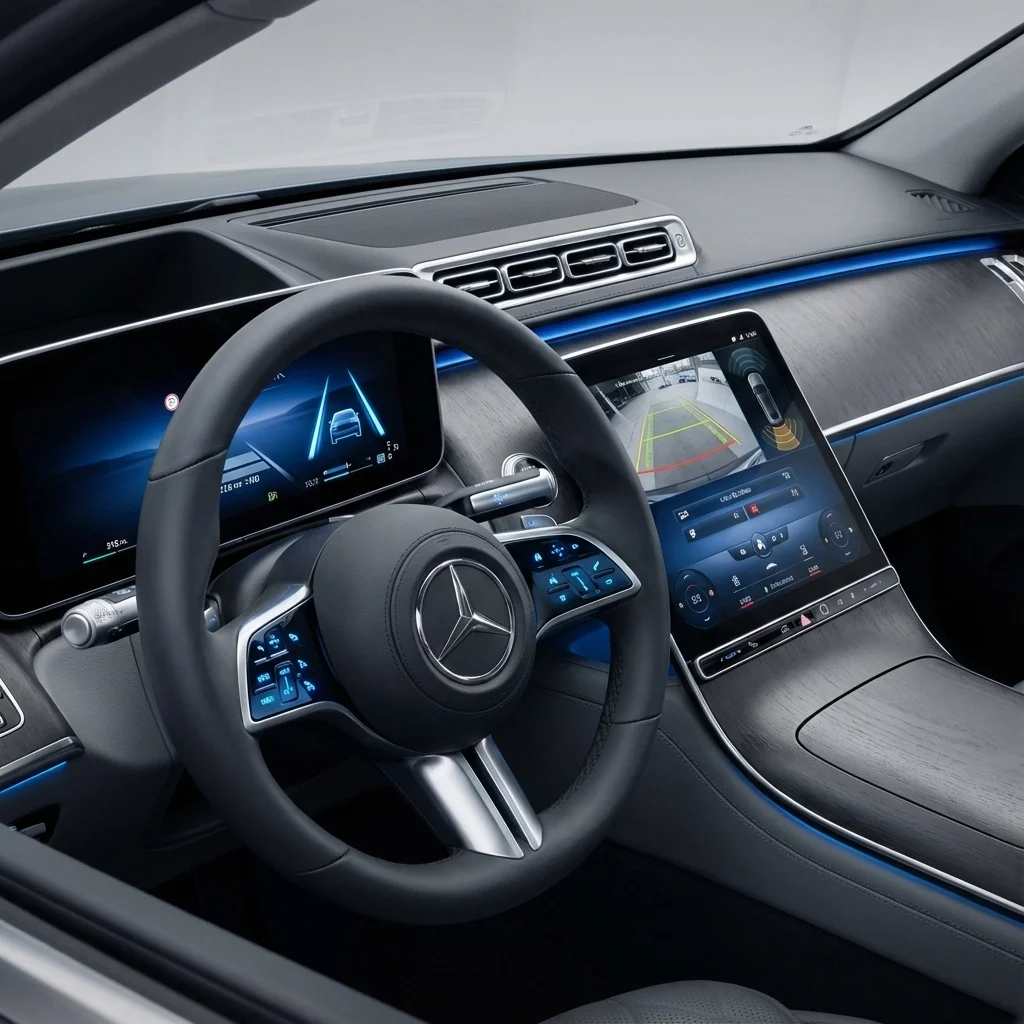
✔ Backup cameras
Ask your agent which specific features offer discounts and how much you can save. Sometimes the safety package upgrade pays for itself through insurance savings.
How Will Financing Terms Affect My Coverage?
Your financing arrangement directly impacts your insurance requirements and costs. Different lenders have different coverage requirements, and some are more flexible than others.
Lease agreements typically require higher coverage limits and lower deductibles than purchase loans. This means higher premiums, which you should factor into your total cost comparison.
Down payment amount affects your gap insurance needs. A larger down payment reduces the likelihood you'll owe more than the car's worth, potentially eliminating the need for gap coverage.
Ask these financing-related questions:
✔ What are my lender's specific coverage requirements?
✔ Can I choose my own deductibles, or are they mandated?
✔ Will I need gap coverage, and what will it cost?
✔ Are there coverage requirements that continue after I pay off the loan?
What Questions Should I Ask the Dealer?
Dealers often offer insurance products, but you're not required to buy them. Understanding what's available helps you make informed decisions about where to get your best deal.
Ask about these dealer-offered products:
✔ Extended warranties and how they interact with insurance
✔ Gap coverage offered by the dealer vs. your insurance company
✔ Tire and wheel protection vs. comprehensive coverage
✔ Key replacement coverage vs. adding it to your auto policy
Often, adding these protections to your existing auto policy costs less than buying separate products through the dealer.
Practical Tips to Avoid Insurance Surprises
Research before you shop. Use online tools to compare insurance costs for different vehicles you're considering. This helps you set realistic expectations before you fall in love with an expensive-to-insure car.
Time your purchase strategically. If your current policy expires soon, coordinate your new car purchase with your renewal date to avoid short-rate cancellation fees.
Keep your current coverage active until your new car is insured. Never let coverage lapse, even for a day, as this can affect your future rates.
Ask about loyalty discounts. If you've been with your current insurer for several years, you might qualify for loyalty discounts that make staying put more attractive than switching.
Don't Forget About Registration and Title
Minnesota requires proof of insurance before you can register your vehicle. Have your coverage in place before you head to the DMV, or you'll face delays and additional trips.
Title work can also affect your insurance timeline. If you're buying from a private party, ensure the title is clear and transferable before you arrange coverage.
Ready to Get Started?
The right car purchase protects both your transportation needs and your financial security. Taking time to understand your insurance options before you buy ensures you're making a decision you'll feel good about for years to come.
Don't navigate these decisions alone. At Midwest Insurance Professionals, LLC, we specialize in helping Minnesota families find the right coverage at the right price. Whether you're buying your first car or adding to your fleet, we'll help you understand exactly what your insurance will cost before you make your purchase decision.
Ready to get a quote on that car you've been eyeing? Contact us today for a personalized consultation. We'll review your specific situation, explain your options, and help you make an insurance-smart vehicle purchase that protects what you've built.
Visit us at mwipros.com or call to schedule your consultation. Your future self will thank you for asking the right questions now, rather than discovering costly surprises later.
