

You know that specific sound. It is late March or early April in Minnesota. The giant mounds of snow at the end of your driveway: the ones that looked like small mountain ranges in February: are finally starting to shrink. You hear the rhythmic drip-drip-drip of the eaves. You see the first patches of brown, soggy grass.
For most Minnesotans, this is a time of celebration. We dust off the light jackets and pretend 40 degrees is t-shirt weather. But for your home, this is the most dangerous time of the year.
The Great MN Thaw is officially here.
While you are dreaming of dusting off the chrome for a motorcycle ride, thousands of gallons of melted snow are looking for a place to go. And usually, that "place" is your basement. If your sump pump isn't ready for the workout of its life, you are one mechanical hiccup away from a literal indoor swimming pool.
At Shady Oak Insurance Agency, we’ve seen the aftermath of these "swimming pools" more times than we’d like. We want to make sure you aren't the one making that frantic 2:00 AM phone call to a restoration company.
The Physics of the Minnesota Thaw
You’ve spent all winter packing snow around your foundation. When that snow melts, it doesn’t just evaporate into thin air. It sinks.
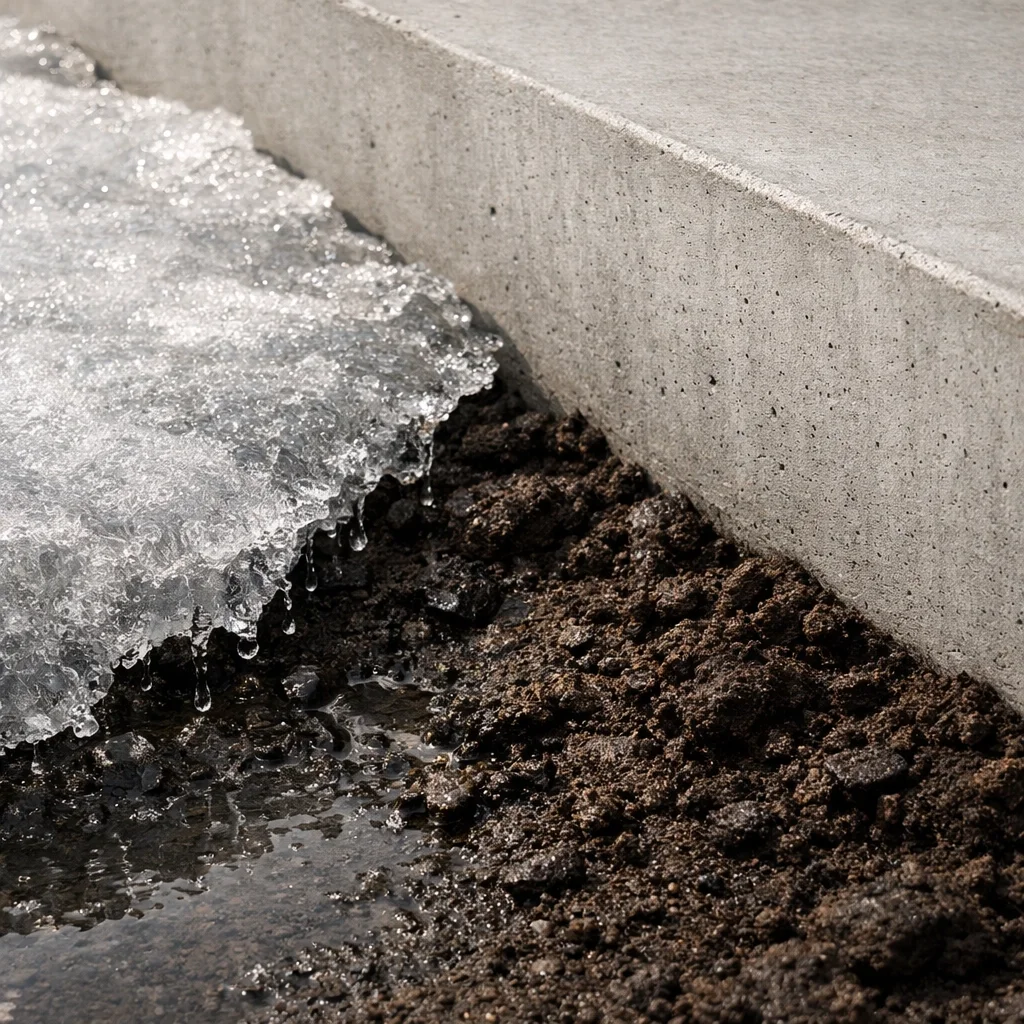
The problem in Minnesota is the frost line. The ground is still frozen deep down, which means the melting water can’t soak into the earth. It gets trapped on top of the frozen layer and flows toward the path of least resistance: your foundation walls.
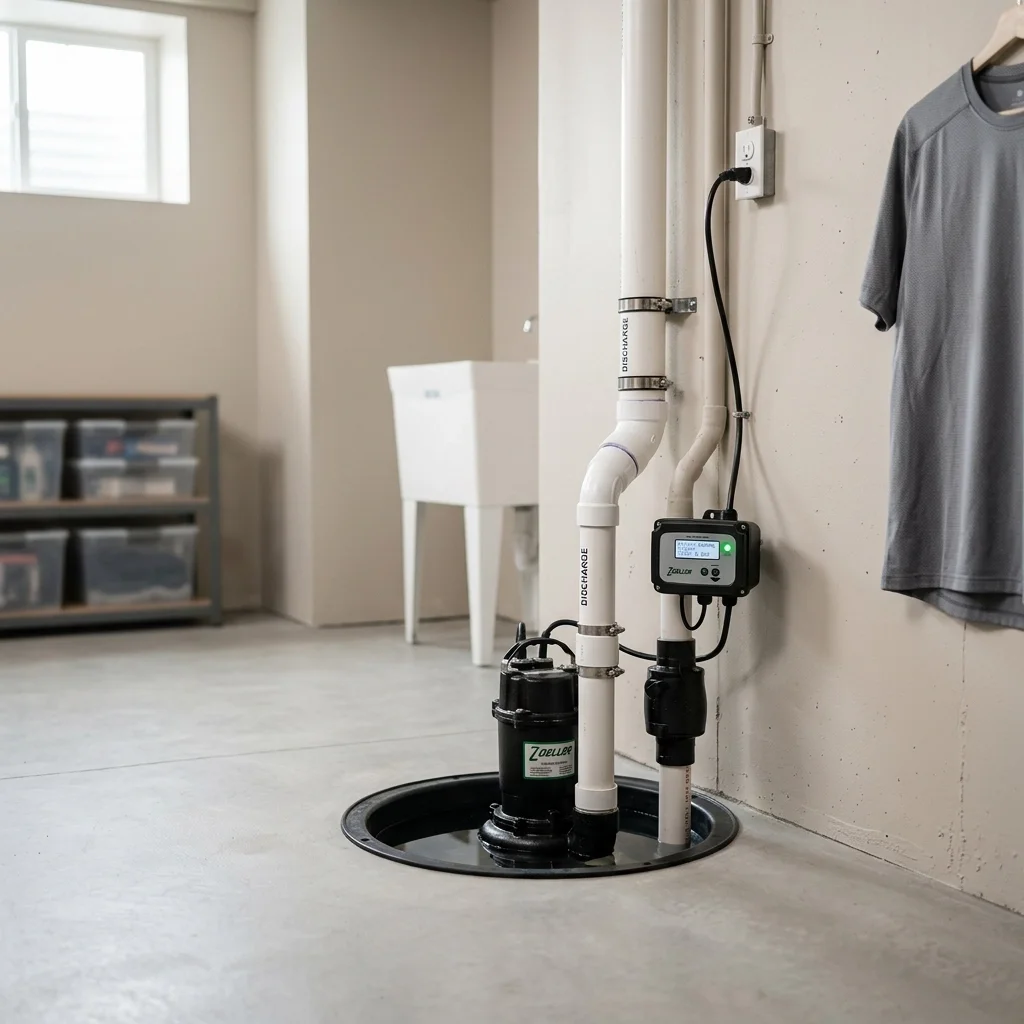
Your sump pump is the only thing standing between a dry basement and a catastrophic loss. It is the heart of your home’s drainage system. When the ground becomes saturated, that pump might run every 30 seconds for days on end.
Why Sump Pumps Fail Exactly When You Need Them
A sump pump is a mechanical device. Like anything with moving parts, it has a shelf life. The catch is that you usually don’t know it’s broken until the water is already over your ankles.
Here are the three most common reasons the Shady Oak Insurance Agency sees for spring basement flooding:
1. The Power Goes Out
Spring in Minnesota doesn't just bring melt; it brings storms. Thunderstorms and heavy winds are famous for knocking out power lines. If the grid goes down, your electric sump pump stops immediately. Without power, that pit will overflow in minutes during a heavy thaw.
2. Frozen Discharge Lines
This is a classic Minnesota special. The pump works fine, but the pipe leading the water away from your house is still frozen shut or blocked by ice. The water has nowhere to go, so it backs up right into the pit and back into your basement.
3. The "Stuck Float" Syndrome
The float is the part of the pump that tells it when to turn on. Sometimes it gets stuck against the side of the basin or tangled in a wire. If the float can’t rise, the pump never knows the water is there.
✔ Pro Tip: Go downstairs today and pour a five-gallon bucket of water into your sump pit. If it doesn't kick on and clear the water, you have a problem.
The Dirty Secret of Homeowners Insurance
Now, let's talk about the part that catches most people off guard. You might think, "I have a great homeowners insurance policy, so I'm covered regardless, right?"
Wrong.
This is the most important thing you will read today: Standard homeowners insurance usually does NOT cover water backup or sump pump failure.
If you wake up tomorrow and find two inches of water in your finished basement because your pump died, and you only have a basic policy, you are likely paying for that cleanup entirely out of your own pocket. Most people don't realize this until they are standing in a puddle.
Standard policies cover "sudden and accidental" water damage from things like a burst pipe. But water coming up from the ground, through the floor, or backing up through a drain? That usually requires a specific Water Backup and Sump Pump Overflow Rider.
What is Water Backup Coverage?
Water backup coverage is an optional endorsement (a "rider") that you add to your Minnesota insurance policy. It specifically protects you when:
Your sump pump fails or can't keep up.
Water backs up through your sewers or drains.
Power outages cause your drainage system to stop working.
Without this rider, you could be looking at $10,000 to $50,000 in damages: think wet drywall, ruined flooring, mold remediation, and lost furniture: with zero help from your insurance carrier.
Even if you have an older home, it is worth checking your coverage. Many people worry about things like having a 20-year-old roof, but a basement flood can be just as expensive and much more stressful.
Don't Confuse This With Flood Insurance
It is a common mistake to think "Flood Insurance" and "Water Backup Coverage" are the same thing. They aren't.
Flood Insurance: Covers water that comes from the outside in (like a river overflowing or surface water rushing into your home). This is handled by the NFIP or private flood carriers.
Water Backup: Covers water that comes from the inside up (drains, sewers, or sump pits).
In Minnesota, you are much more likely to deal with a sump pump failure than a coastal-style flood. But you need to be certain you have the right box checked on your policy.
How to Protect Your Basement This Spring
At Shady Oak Insurance Agency, we believe the best insurance claim is the one that never happens. Here is your "Great MN Thaw" checklist:
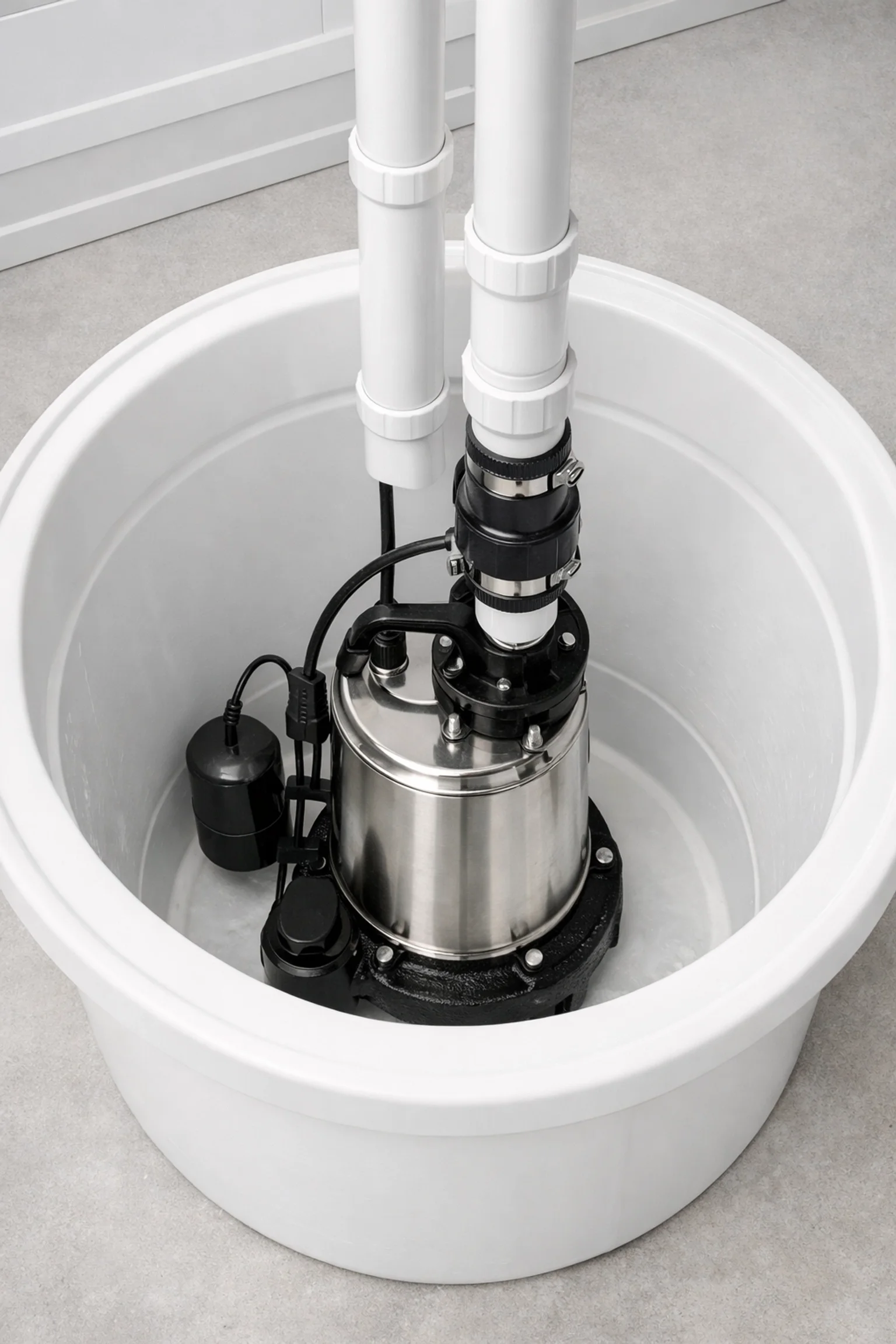
Install a Battery Backup: This is non-negotiable. A battery-powered secondary pump will keep working even if the power goes out or your primary pump dies.
Check the Discharge Pipe: Make sure the water is being dumped at least 10 feet away from your foundation. Ensure the end of the pipe isn't buried in snow or ice.
Listen to the Pump: If it’s making a "clanging" or "thumping" sound, it’s struggling. It might be time for a replacement.
Clean the Pit: Dirt and gravel can get into the pit and clog the pump's intake. Clear out any debris you see.
Review Your Policy: Call us. Let’s look at your current limits. Many people have a $5,000 limit on water backup, but in 2026, $5,000 won't even cover the cost of the industrial fans and dehumidifiers.
✔ Action Item: Ensure your coverage limits reflect the actual cost of finishing your basement. If you’ve added a home theater or a guest suite recently, your old limits are probably too low. You don't want to find out you're underinsured after the damage is done, much like dropping coverage to save money is often a gamble that doesn't pay off.
The Shady Oak Insurance Agency Difference
We know Minnesota. We know that our weather is beautiful, unpredictable, and occasionally tries to ruin our basements.
You’ve invested years building your home and your life. You shouldn't have to worry every time the weather forecast calls for a "warm-up and rain."
Being properly covered isn't just about a piece of paper; it's about the secret weapon of trust. Knowing that if the worst happens, you have a team ready to help you rebuild. Whether you are a business owner or a family in a suburban cul-de-sac, being bonded and properly insured matters.
Final Thoughts: Check Your Policy Before the Rain Hits
The frost is moving. The snow is melting. The sump pumps of Minnesota are about to start their annual marathon.
Don't wait until you see the first "puddle" in the corner of your basement to wonder if you have the right coverage. By then, it’s too too late.
Give us a call at Shady Oak Insurance Agency today. We’ll do a quick audit of your homeowners insurance to make sure you have the water backup and sump pump rider you need. It’s a small addition to your policy that provides massive peace of mind.
Keep your basement dry, keep your pump running, and let’s enjoy the spring: without the unwanted indoor pool.
Ready to protect your home? Contact us today for a policy review. We’re here to make sure the "Great MN Thaw" is something you watch from your deck, not something you clean up with a wet-vac.
