

Trucking Insurance in 2026: What Owner-Operators Actually Need (and What It Really Costs)
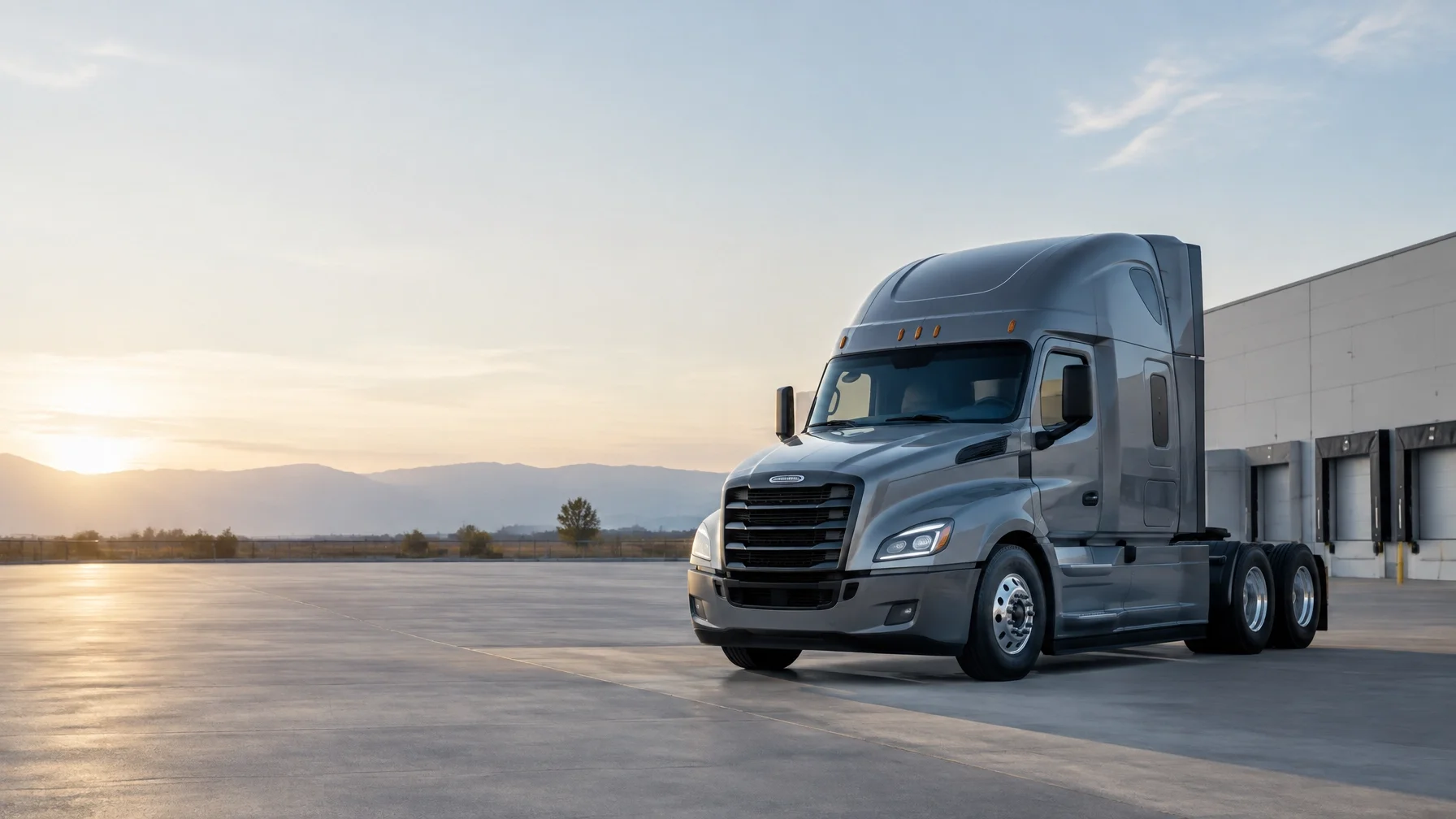
You've invested in your truck, your authority, and your ability to keep freight moving. Your insurance should protect that investment.
In 2026, trucking insurance is not getting simpler. Primary liability premiums are rising. Underwriters are reviewing safety records more closely. Brokers are demanding higher limits. One coverage gap can cost far more than the premium you tried to save.
Whether you operate under your own authority or lease onto a motor carrier, you need coverage that matches how you actually use your truck.
Why Trucking Insurance Is More Expensive in 2026
Commercial trucking remains a hard insurance market. That means insurers are charging more, tightening eligibility, and asking more questions before offering terms.
Recent market research indicates that primary liability premiums for many owner-operators are increasing approximately 18% to 22% year over year at renewal. Your actual increase may be lower or higher depending on your operation.
Several factors are driving the change:
Higher bodily injury claim severity
Larger jury awards in commercial vehicle cases
More expensive medical treatment
Rising repair and replacement costs
Increased litigation involving trucking companies
Theft exposure for tractors, trailers, and cargo
Greater underwriting scrutiny for new ventures
Your location matters, too. Illinois and California remain elevated liability environments because of venue and litigation exposure. Texas has become more favorable relative to some other states following tort reform, although insurance costs remain significant there.
The same truck, cargo, and driving history can receive very different pricing depending on where your business is based, where you travel, and which venues you regularly enter.
What You Are Actually Required to Carry
Federal requirements depend on your cargo, vehicle weight, authority, and operating territory. For a typical for-hire interstate carrier hauling non-hazardous general freight in a vehicle over 10,001 pounds, the federal minimum primary liability limit is generally $750,000.
That is the legal baseline. It is not always enough to get work.
Most brokers and shippers now require $1 million in primary liability before they will approve you for loads. Some contracts require higher limits based on the commodity or customer.
For general freight, your insurer typically files one of the following with the Federal Motor Carrier Safety Administration:
BMC-91
BMC-91X
These filings show that your required public liability insurance is in place. Your insurer, not you, normally submits the filing.
You should also understand the role of the MCS-90 endorsement. It is a federal financial responsibility endorsement attached to your liability policy. It is not a separate insurance policy, and it is not cargo coverage.
The MCS-90 trap
The MCS-90 functions as a federal judgment guarantee for certain public liability claims. If the public must be paid under federal financial responsibility rules, the endorsement can require the insurer to pay even when the policy would otherwise exclude the loss.
That protection does not mean you are ultimately protected from the cost.
The insurer generally retains the contractual right to seek reimbursement from you for amounts it paid that were not covered under the policy. In other words, the MCS-90 may protect the public first while leaving you responsible for repayment.
✔ Do not treat the MCS-90 as a substitute for broad coverage.
✔ Do not assume it covers your cargo.
✔ Ask your insurance professional to explain exclusions before you sign.
You can review the FMCSA’s current insurance filing requirements and cargo insurance guidance.
Cargo Insurance: Not Always Federally Required, Still Often Essential
For most general freight carriers, federal law does not require cargo insurance as a condition of operating authority. Household goods carriers are an important exception.
The market is different from the law.
Brokers and shippers commonly require:
$100,000 in motor truck cargo coverage as a starting point
$250,000 or more for higher-value freight
$500,000 to $1 million for specialized or high-value commodities
Your cargo limit should reflect what you actually haul. Electronics, pharmaceuticals, vehicles, refrigerated products, and other high-value freight can create much greater exposure than standard dry freight.
A $100,000 cargo limit may look adequate until one load is worth $250,000. That is why you need to review your broker contracts, commodity list, and maximum load value together.
The Coverage Gap for Leased-On Operators
When you lease your truck onto a motor carrier, that carrier often provides primary liability while you are operating under its authority and dispatch.
That coverage may not apply when you are:
Driving for personal reasons
Returning from a delivery
Operating outside the carrier’s dispatch
Using the truck for non-business transportation
Bobtailing without a trailer
Deadheading outside the scope of the lease agreement
This is where non-trucking liability, often called NTL, and bobtail coverage become important.
The names can be confusing. Bobtail coverage generally refers to operating without a trailer. Non-trucking liability is designed for certain personal or non-dispatch use. The exact definitions vary by policy.
The real issue is the policy language.
Always confirm in writing how your policy defines:
“Business use”
“Under dispatch”
“Non-trucking use”
“Bobtail”
“Leased vehicle”
“Personal use”
That definition is where many coverage gaps hide.
Your personal auto or homeowners policy will not replace commercial truck coverage. Your personal umbrella may also exclude commercial vehicle incidents unless the underlying business coverage is properly structured.
What Trucking Insurance Really Costs in 2026
Your premium depends on your authority, experience, driving history, cargo, radius, equipment, claims, and operating territory.
As a general planning range:
Owner-operators with their own authority
Many established own-authority operators should budget approximately:
$8,000 to $15,000 per year for a typical general freight insurance program.
New ventures, high-risk operations, and unfavorable territories can exceed that range. A new authority may see annual costs of $12,000 to $20,000 or more, depending on underwriting.
Leased-on operators
Leased-on operators often pay less because the motor carrier provides primary liability. Supplemental coverage may commonly run approximately:
$2,500 to $7,000 per year
That amount may include some combination of physical damage, non-trucking liability, occupational accident, and other required coverages.
These figures are planning ranges, not quotes. Your final premium may be different.
Coverages You May Need Beyond Primary Liability
A complete trucking insurance program may include:
✔ Primary auto liability
This responds to bodily injury and property damage claims arising from your trucking operations. The market commonly expects $1 million, even when the federal minimum is lower.
✔ Motor truck cargo
This covers covered loss or damage to freight in your care, custody, or control. Your limit should match your contracts and the highest-value loads you accept.
✔ Physical damage
Physical damage coverage can protect your tractor and trailer against collision, theft, vandalism, fire, and other covered causes of loss. The limit should reflect the equipment’s current value.
✔ General liability
General liability addresses certain non-driving business exposures, such as third-party injury or property damage at your premises or during loading and unloading activities. It does not replace auto liability.
✔ Workers’ compensation or occupational accident
If you employ drivers, workers’ compensation may be required by state law. Owner-operators and independent contractors may consider occupational accident coverage for certain medical expenses, disability benefits, and accidental death benefits.
The right option depends on your legal structure and working relationships.
✔ Trailer interchange
If you pull trailers owned by another party, trailer interchange coverage can protect against physical damage to those trailers when you are responsible for them under a written agreement.
You should review every trailer interchange requirement before accepting the contract.
How to Control Your Cost Without Cutting Protection
You may not be able to eliminate hard-market pricing. You can make your risk easier for an insurer to understand.
✔ Document your safety program. Keep written inspection, maintenance, training, and accident procedures.
✔ Maintain clean MVRs. Motor vehicle records and driver experience directly affect underwriting.
✔ Review your loss history. Keep accurate loss runs and explain prior claims clearly.
✔ Use telematics responsibly. Driver monitoring and dash cameras may help demonstrate safer operations and support better underwriting discussions.
✔ Keep filings current. A lapse in required filings can threaten your authority and disrupt your business.
✔ Match cargo limits to your loads. Do not accept freight that exceeds your policy limit without written confirmation.
✔ Review contracts before binding coverage. Broker requirements often determine the limits and endorsements you need.
✔ Revisit coverage as you grow. Adding trucks, drivers, trailers, states, or commodities can change your insurance needs immediately.
Your goal should not be the cheapest policy. Your goal should be reliable protection at a sustainable price.
Build a Trucking Insurance Program That Fits Your Operation
You have already done the difficult work of building your business. The next step is making sure your insurance reflects your real exposure.
Shady Oak Insurance Agency can help you review your authority status, cargo, equipment, drivers, contracts, and coverage gaps. We represent multiple insurance carriers and can help you compare options based on your operation, not just a generic quote.
Call 612-361-9717 for a trucking insurance review.
You can also explore Shady Oak Insurance Agency’s business insurance resources before your next renewal. A careful review today can help you avoid an expensive surprise after a claim.
